Processes that produced no numbers, now producing some.
Control systems, instrumentation and the data pipelines behind them. Completed work first, with the photographs and simulations from the projects themselves; the two platforms still in development are at the bottom and labelled as such.
Delivered
Work that exists and ran.
Control systems in service, a research rig in the field, and a power-electronics simulation. Where a project is our Hardware Lead’s own work rather than a Fuzon contract, the block says so.
CompletedFebruary to August 2026
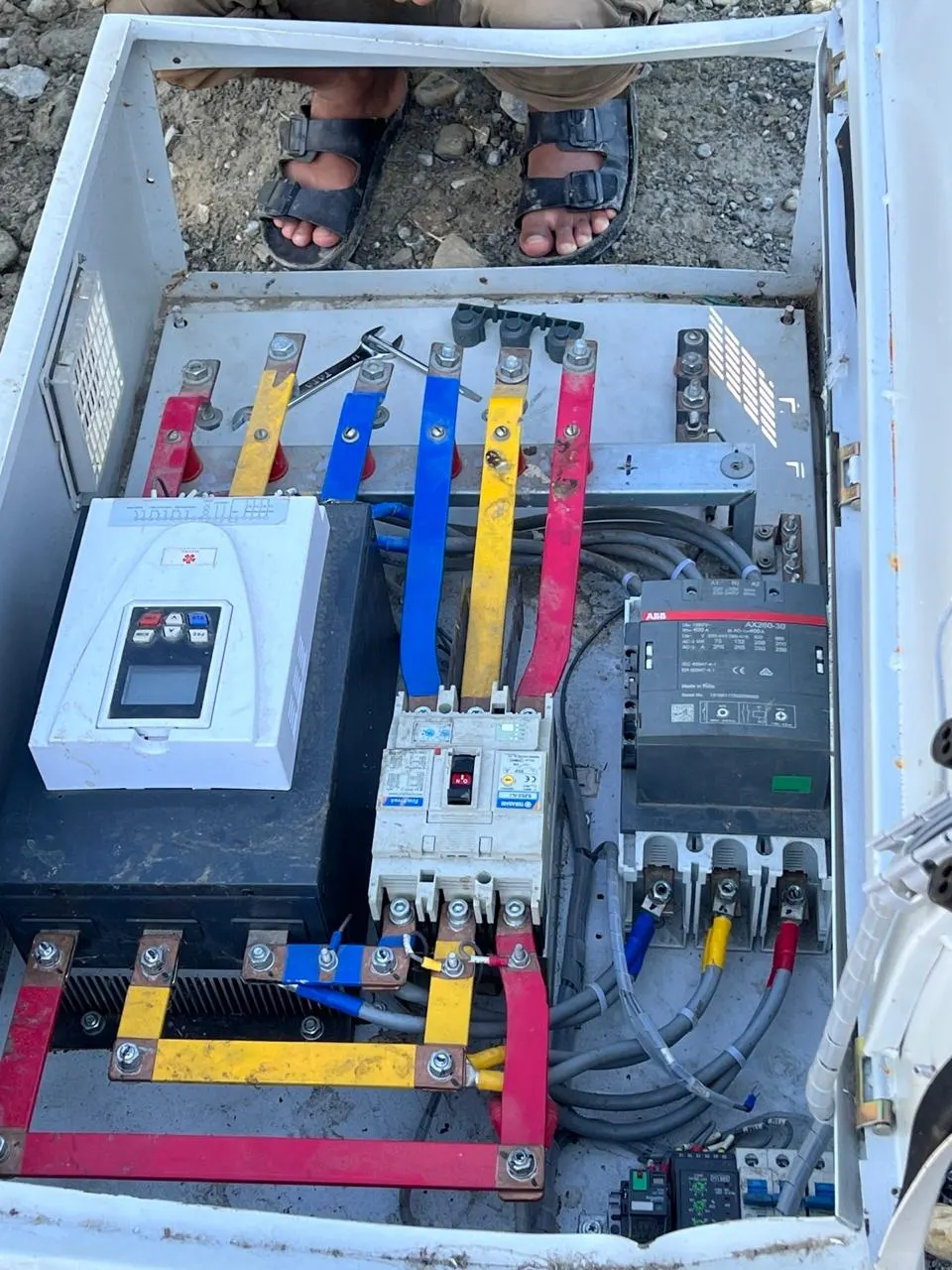
Temperature Control and Fault Analysis: Industrial Induction Heating System
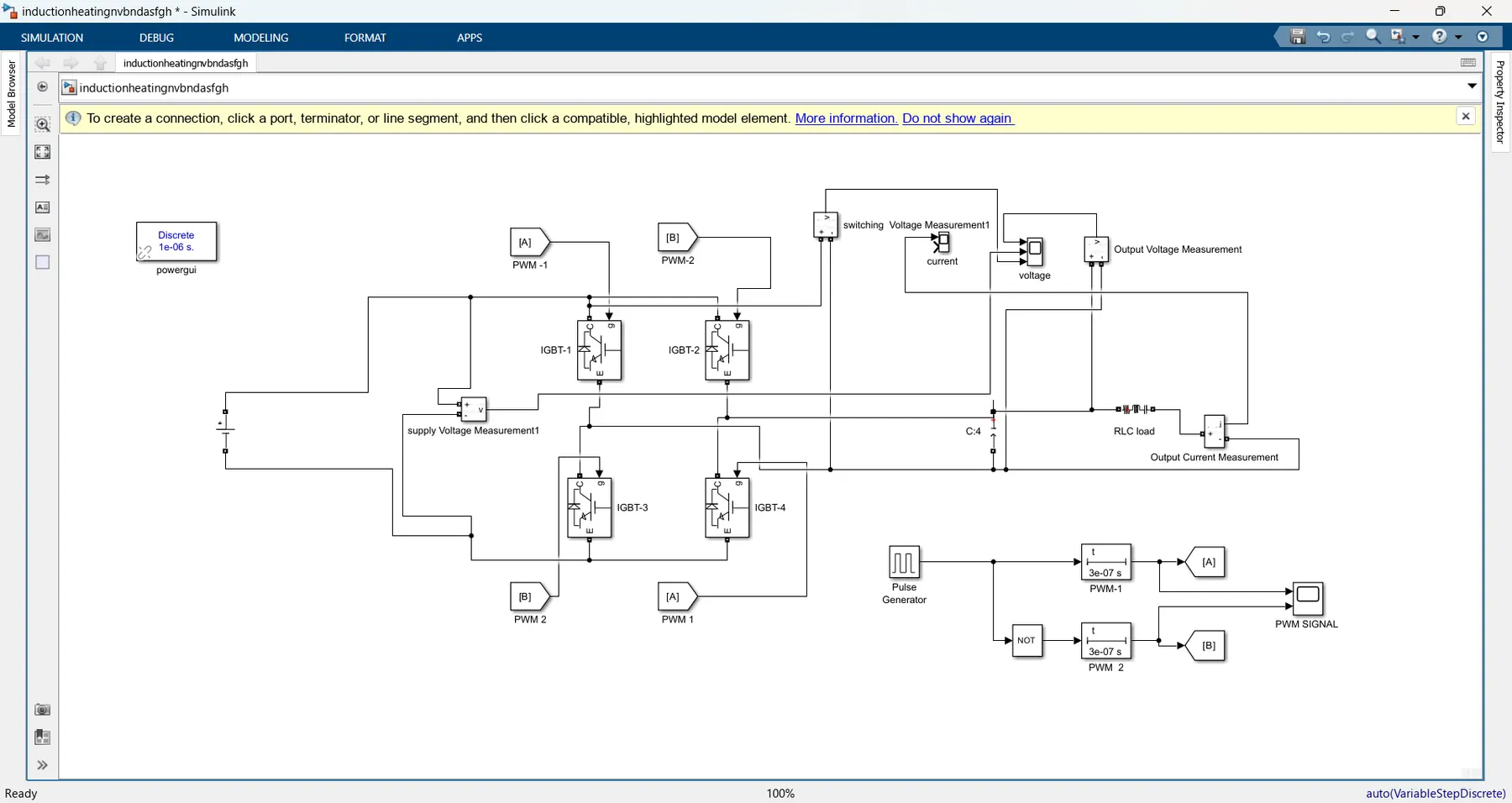
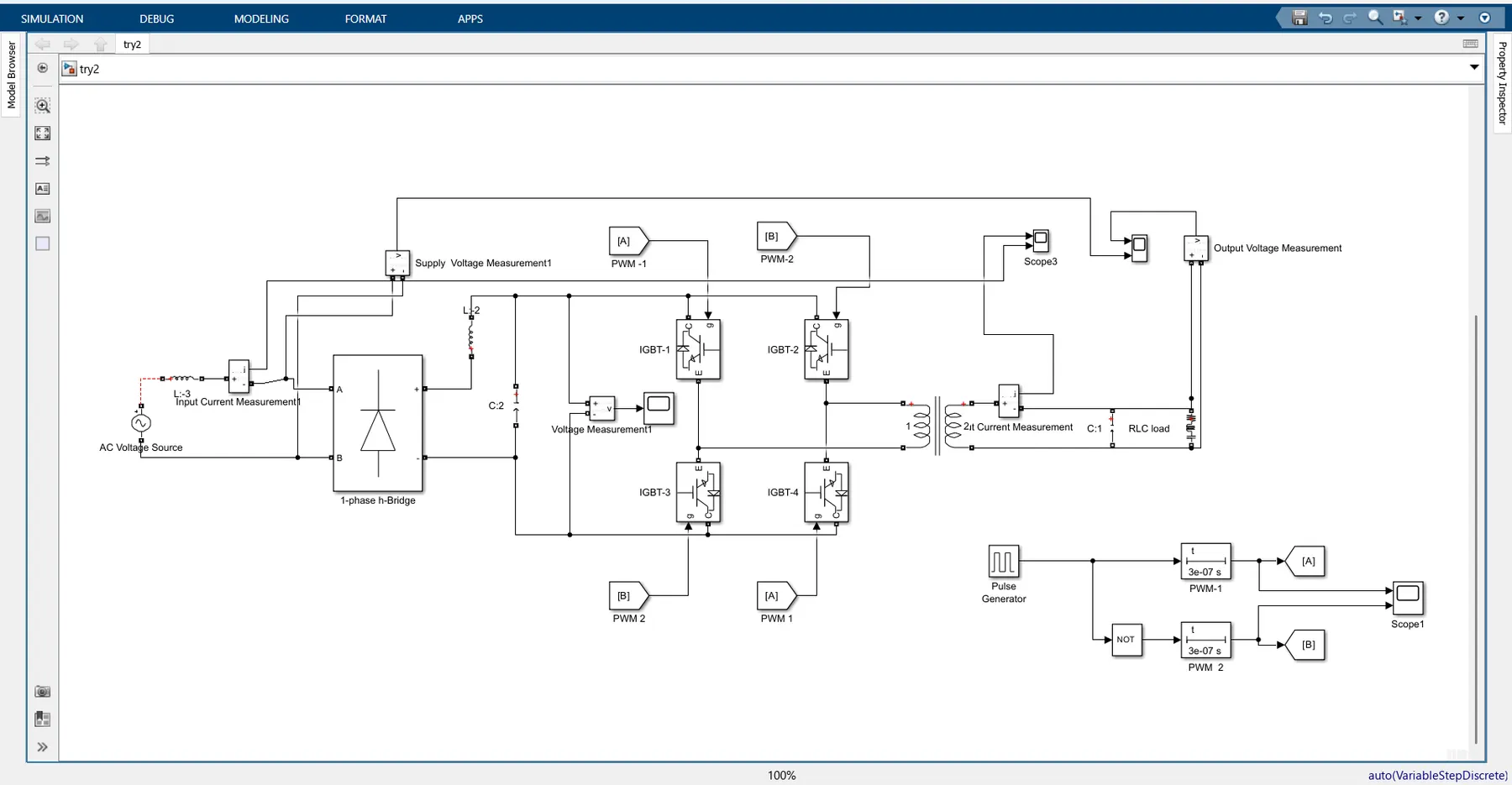
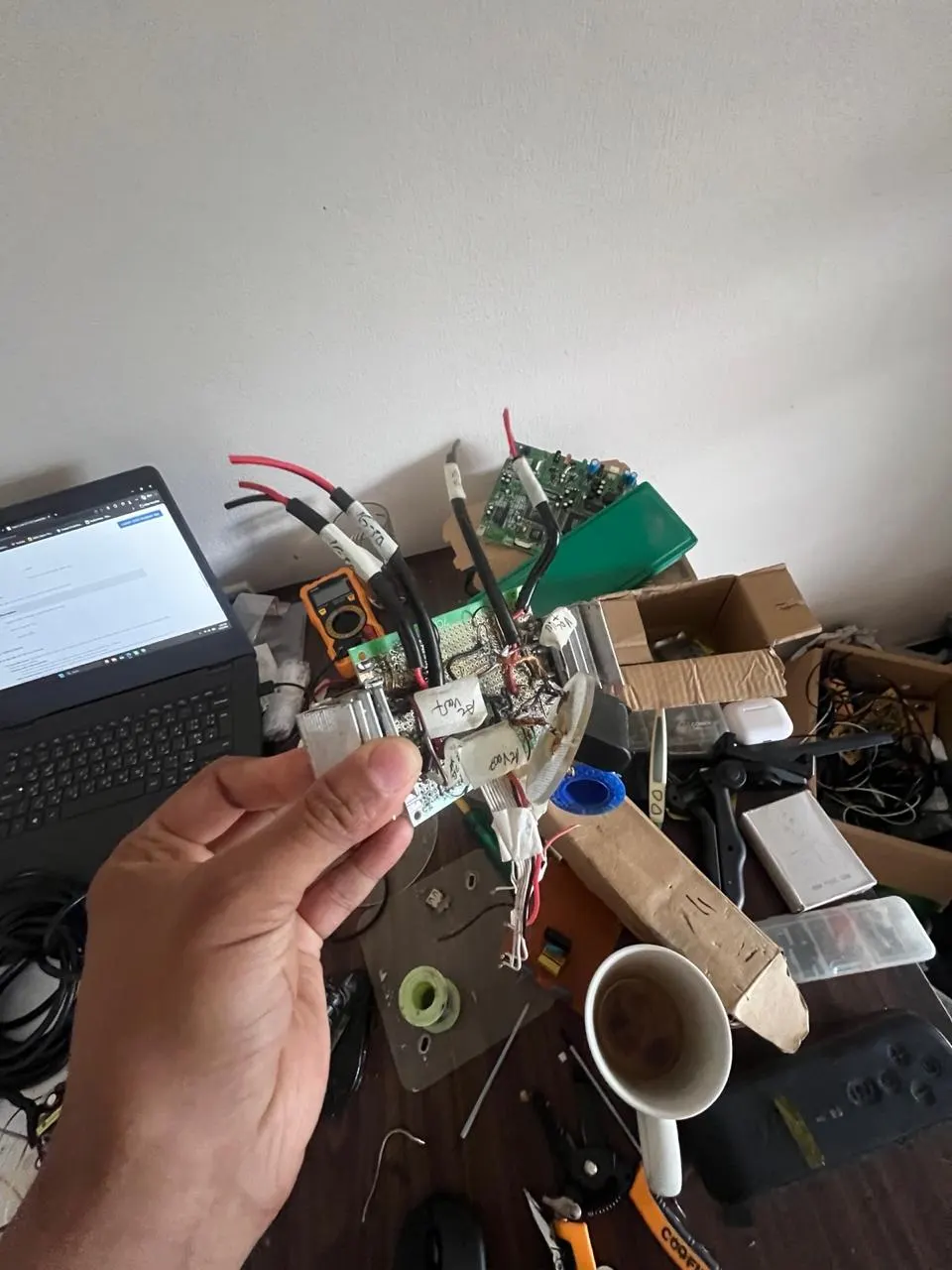
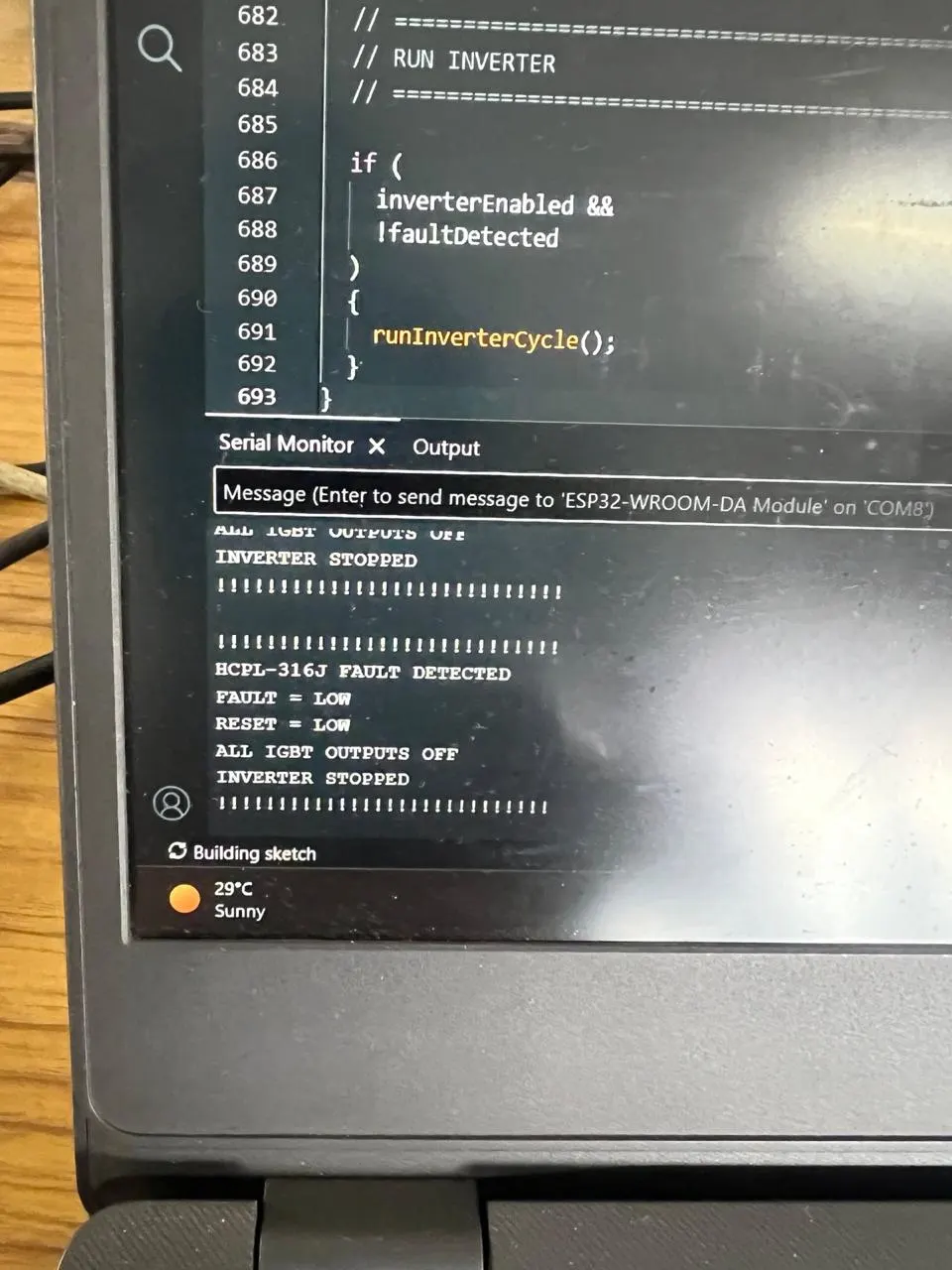
A temperature monitoring and fault control system for an industrial induction heating process. Real-time feedback integration, PID-based temperature regulation, and fault detection that identifies power and control signal failure, overheating, and abnormal operating conditions. System performance parameters were analysed to improve thermal stability, and operational safety was raised through automated alerts and diagnostic logging.
What the work covered
Real-time temperature control
PID tuning
Fault detection and control algorithm
Industrial automation
Hem Shahi, Hardware Lead
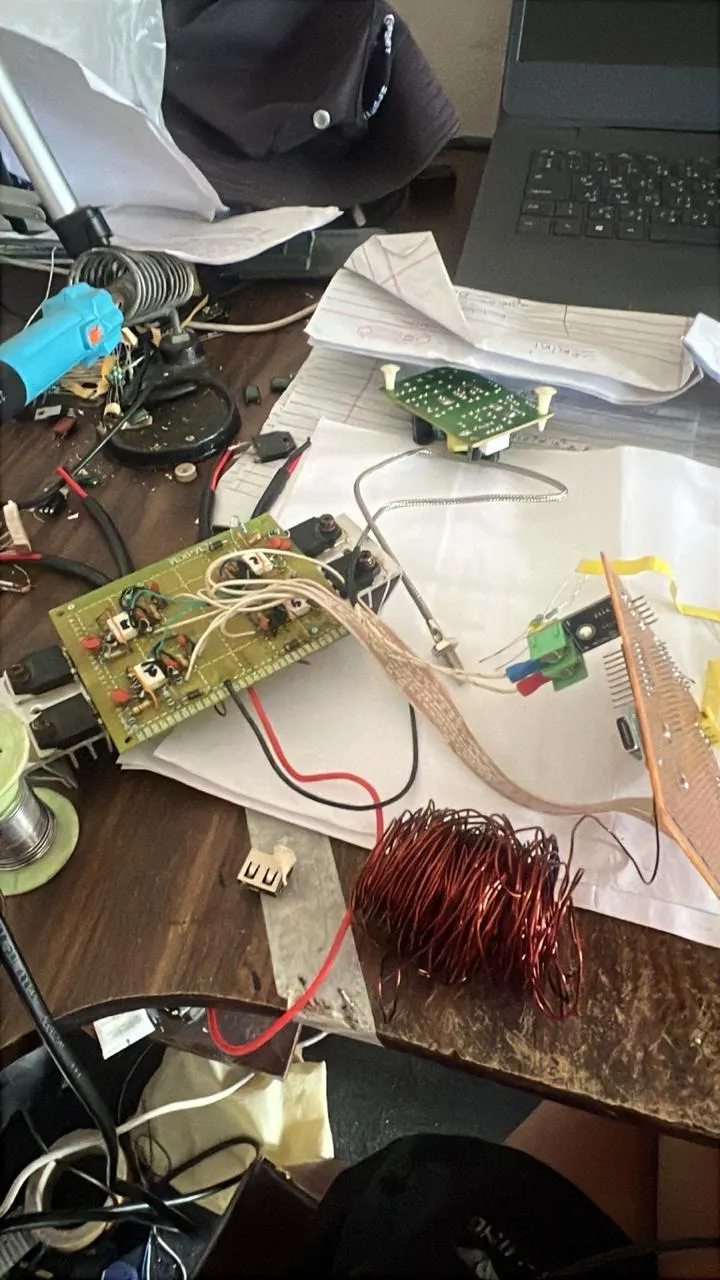
Final circuit diagram used for the simulationSimulation run alongside the circuit diagram
PID controlFault detectionIndustrial automation
Completed2025 to 2026 · DamauliOur Hardware Lead’s own work
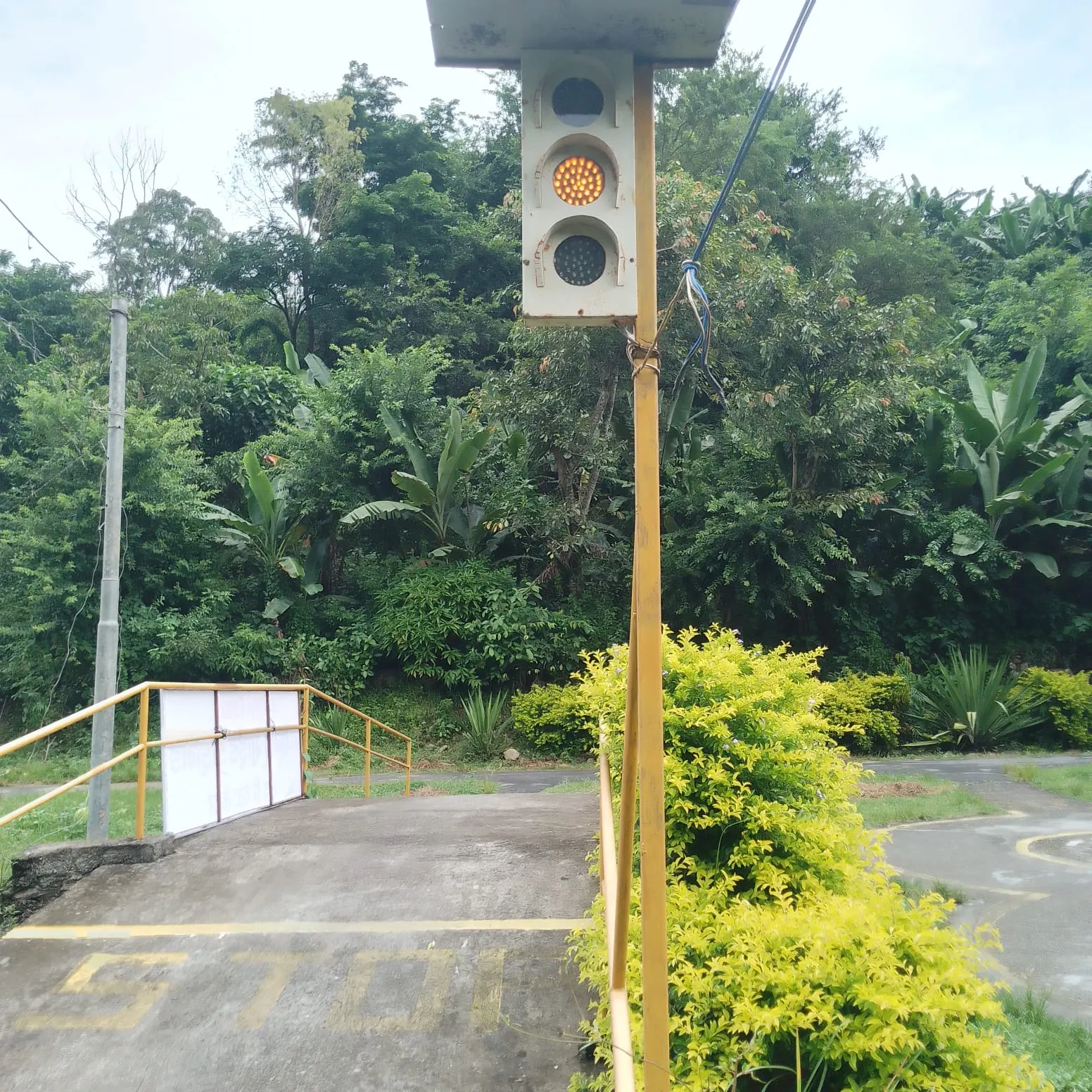
Integration of a Traffic Light Control System
Integration of a traffic light designed according to the need of the traffic available at the junction. An ESP32-based traffic light, with integrated solar power for a stable and reliable control system.
What the work covered
Solar power system as backup power supply for the control circuit
Hem Shahi, Hardware Lead
Credited to Hem Shahi by name rather than to the company: the write-up does not say who the work was for.
The traffic light at the junction
ESP32Solar backupTraffic control
OngoingFebruary 2026 to presentIndividual research
Integration of Aquaponic Systems in Nepal
Pokhara University / UGC research project
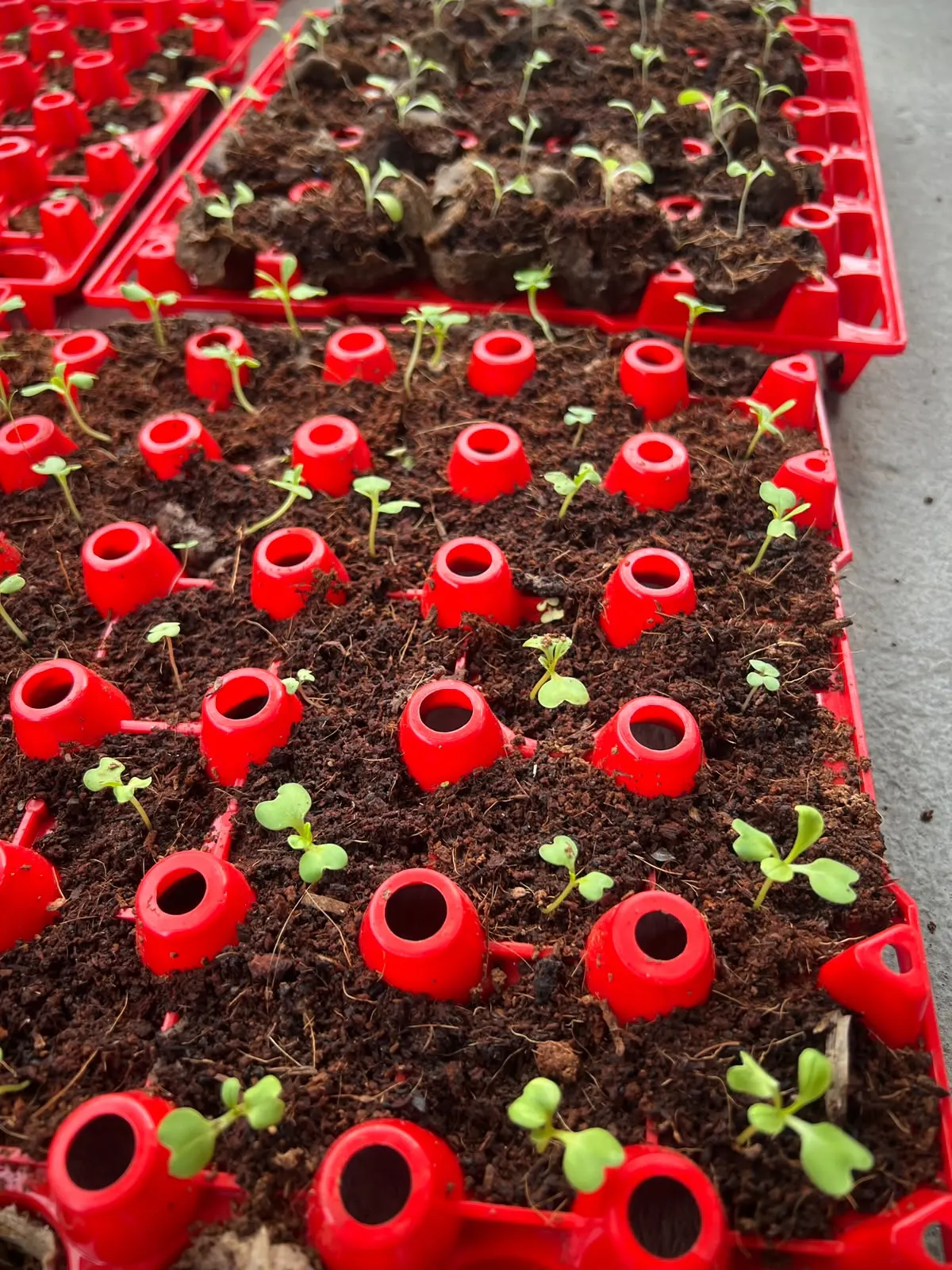
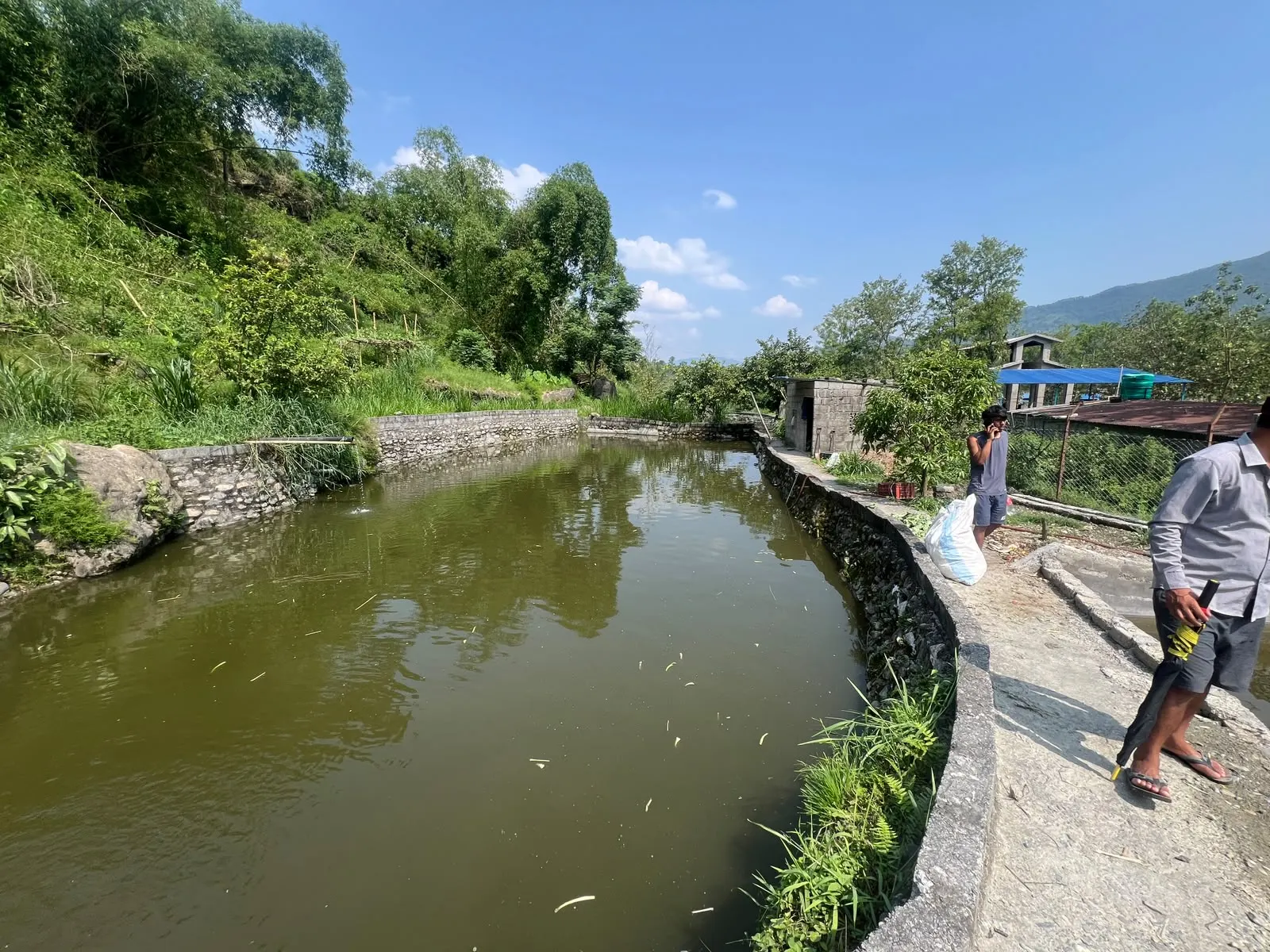
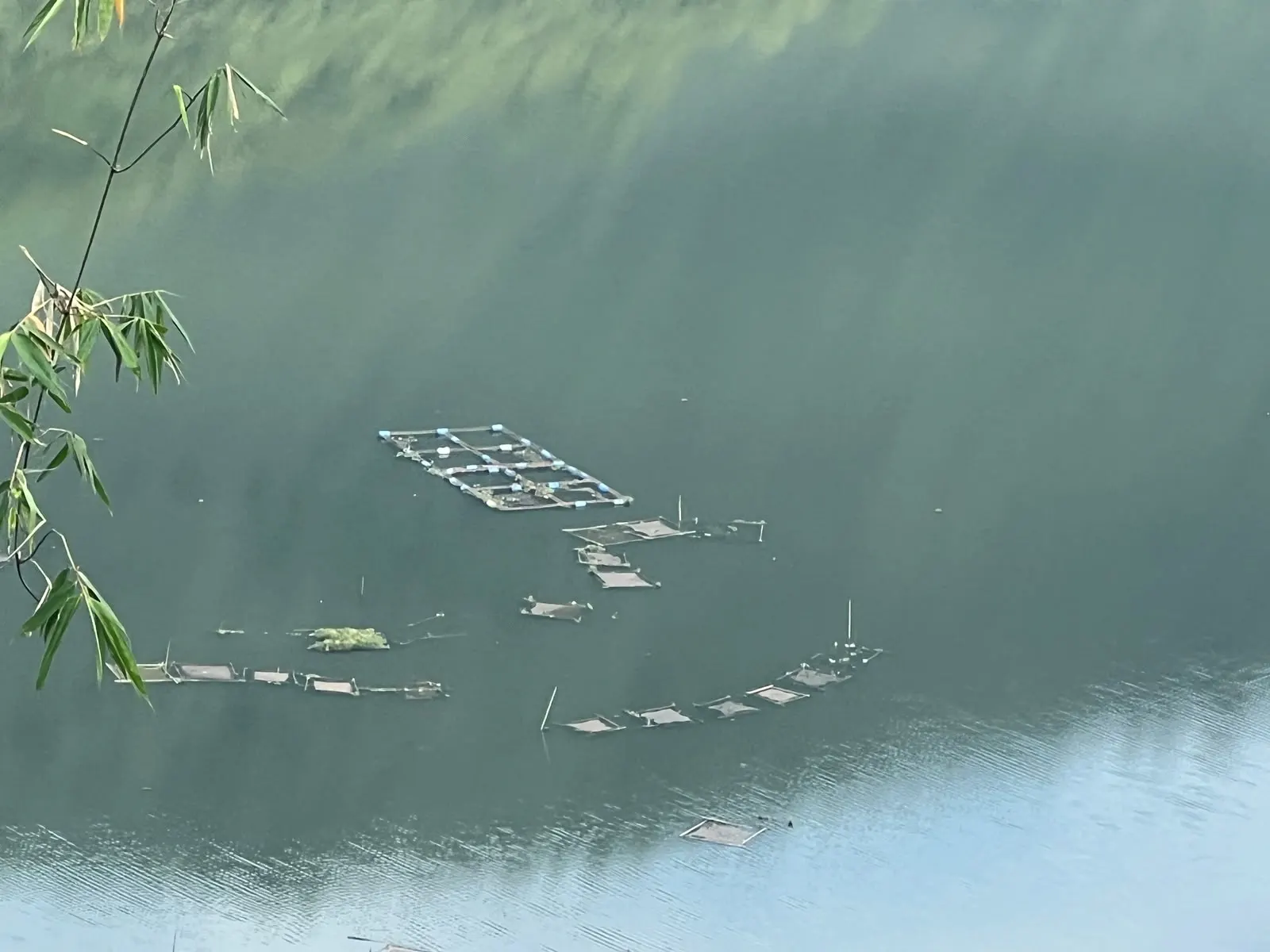
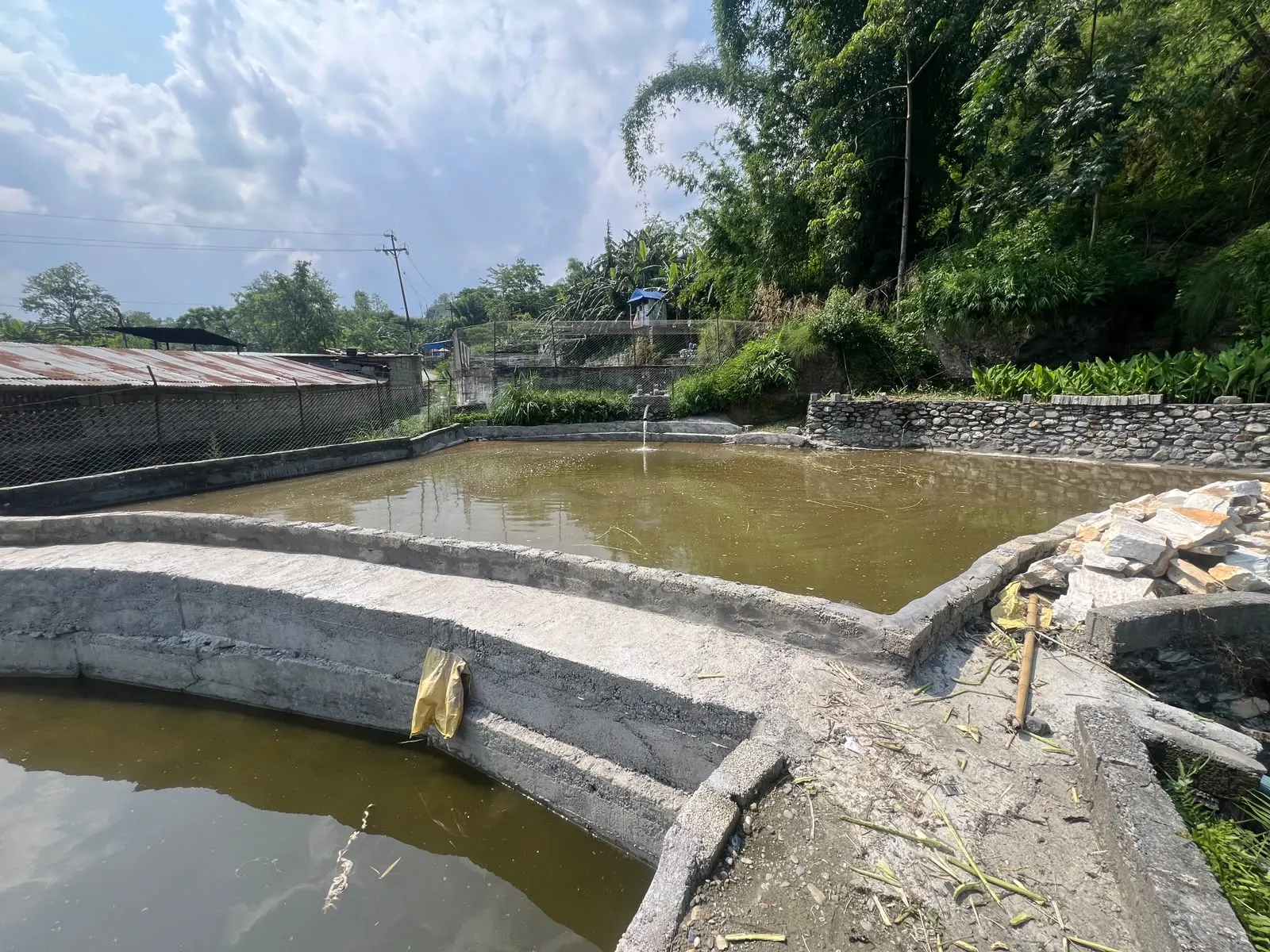
A research project aimed at improving the economic sustainability and livelihoods of small-scale fish farmers, by integrating aquaculture with efficient crop production and making better use of existing pond and fishery resources. The work covers design and development of the aquaponic systems, a germination pod and a deep-water float system, pre- and post-harvest handling and packaging, monitoring and data collection, and optimisation of the system as a whole.
What the work covered
Germination pod and float system design
IoT integration
Environmental data analysis
Hem Shahi, Hardware Lead
A Pokhara University / UGC research project, not a Fuzon deliverable. It appears here as our Hardware Lead’s own research work.
The system running
AquaponicsIoT integrationEnvironmental data
Completed2025Our Hardware Lead’s own work
Priority Load Shedding and Monitoring System for a UPS
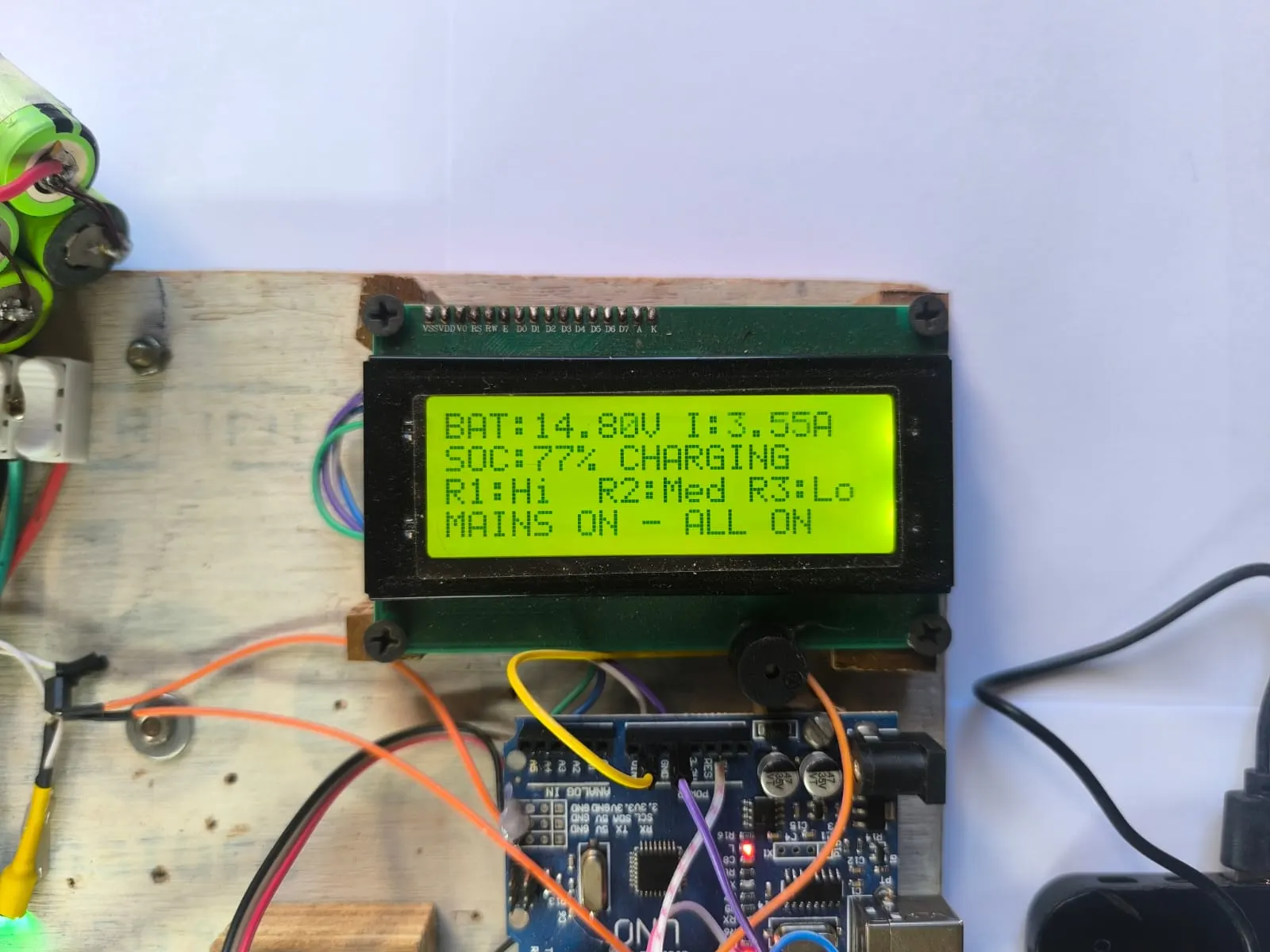
Part of a smart UPS system. A load priority system, developed according to the priorities of the loads that have to be operated during a power outage: industries need to maintain surveillance, security equipment, critical machinery and systems continuously, regardless of the outage.
What the work covered
Design of the smart control algorithm
Customisable load priority levels
Battery status
State of charge (SOC) level
Hem Shahi, Hardware Lead
Credited to Hem Shahi by name rather than to the company: the write-up does not say who the work was for.
Battery voltage and current, state of charge, and the three priority levels on the display
Smart UPSLoad priorityState of charge
Completed2019Our Hardware Lead’s own work
GaN-Based Fast Charging System
Design and simulation of a fast charger, carried out in MATLAB to understand the voltage and current behaviour of the output power. Variable voltage and variable current were studied.
What the work covered
Simulation of the fast charging system
GaN-based switching devices
Hem Shahi, Hardware Lead
Design and simulation work from 2019, before Fuzon Corp existed. Credited to Hem Shahi by name.
MATLABGaNPower electronics
Applied ML
AI Video Generation Pipeline
A multi-provider video generation pipeline: generation routed across several model providers via fal.ai, GPU inference deployed on Modal for both text-to-speech and video generation, scene-level audio continuity planning, and upscaling as a pipeline stage.
Founder's work
AI engineering work by our Director, built independently in a role at a separate company. It is shown here as individual engineering background, not as something Fuzon Corp delivered.
Multi-provider routingModal GPUTTSUpscaling
In development
Two platforms that have not shipped.
Said plainly, because presenting either as finished would invite a demo we cannot give.
In developmentWith Yantra Technologies
Internet Manager
One system for an ISP to run on, instead of four that do not talk to each other.
A management platform for Internet Service Providers: the software an operations team lives in day to day, from a subscriber signing up to a field technician troubleshooting a fibre splitter. Built in active collaboration with Yantra Technologies, our Kathmandu-based infrastructure partner, with Yantra’s own ISP operations as the proving ground.
Most small and mid-sized ISPs solve this badly. RADIUS handles authentication, a separate tool handles billing, OLT and ONU vendors ship their own siloed consoles, TR-069 device management is yet another tool where it exists at all, and support tickets live in email. Nothing talks to anything else, so a technician diagnosing an outage works across four systems that do not share data. The premise here is that authentication, billing, network hardware and support are one operational problem, not four.
Two proven open-source systems anchor the platform rather than being replaced by custom code: FreeRADIUS for subscriber authentication, GenieACS for TR-069 device management. Both are established and telecom-grade. The work is unifying them, and the OLT, ONU, splitter, billing and support layers around them, behind one interface and one data model, rather than reinventing RADIUS or ACS.
What it covers
Subscribers
Customer lifecycle, packages and plans, multi-branch organisation.
Authentication
Network Access Server management on a FreeRADIUS-backed layer.
Fibre network
OLT, ONU and splitter management, with a network topology view.
Remote CPE
TR-069 via GenieACS: serial, model, WAN IP, last seen, firmware, live status.
Billing
Invoicing tracked against subscriber state: active, trial, grace, expired, suspended.
Support
A ticket queue with per-agent assignment and priority.
Inventory
Stock with low-threshold alerts.
CRM
A leads pipeline, kept separate from the existing customer base.
Governance
Role-based access for staff, system-wide audit logging, license validation.
In development
AI Pendant
The recording is not the product. The record is.
A wearable audio device and the software behind it, worn through the working day: meetings, site visits, client calls, and the corridor conversations in between. Its job is to make sure nothing said out loud has to be remembered by hand.
Decisions get made in conversation and then live nowhere. Someone agrees to send a file by Thursday, a scope changes mid-sentence, a date shifts, a number is quoted. Minutes are taken by whoever is least busy, which is usually nobody, and what survives is a partial account written by one participant from memory. Recording the meeting on a phone solves half of that and creates a new problem: an hour of audio nobody will ever listen to again.
Five stages, each because the one before it is not enough
01CaptureThe device records continuously and buffers on-device, so a conversation is not lost to a dropped connection or a dead zone. Designed around real rooms rather than a quiet desk: overlapping speech, background noise, people at varying distances.
02DiarisationThe audio is segmented by speaker. This is the stage that turns a recording into a transcript that can be trusted, because it answers attribution before anything is written down. A line without an owner is a line nobody has to act on.
03TranscriptionEach segment becomes text. The transcript inherits the speaker boundaries from diarisation rather than being produced flat and split afterwards, which is what keeps attribution accurate through the rest of the pipeline.
04StorageThe recording and its transcript are kept together and stay retrievable. The audio is the evidence behind the text: when a summary is disputed, the underlying minute can be played back.
05ExtractionThe last stage reads the attributed transcript and pulls out the parts that carry obligation: commitments made, dates agreed, events to remember, follow-ups assigned. This is what somebody actually reads. The transcript underneath is there for when they need to check it.
A deliberate split: a constrained device that captures continuously, and a pipeline behind it that does the expensive work. The device is worn and running on a battery, so it does one thing reliably - capture clean audio and hold it until it can be handed off. It does not carry the inference burden, because a wearable that runs hot and dies by lunchtime is not a wearable.
Something in your plant that nobody can measure?
Tell us what the process is and what goes wrong with it. The first answer is usually which three readings would have caught it.